
POD Apparel Packs: Record the Style-Size Mix
For a POD apparel pack assortment, request a supplier allocation record with a separate line for each actual style and offered size code. Connect every line to its agreed count object, proposed quantity and pack or carton reference. Confirm that the supplier offers the requested mix before treating the record as an order configuration; a multi-garment advertisement does not establish a supplied assortment.
A broad description such as mixed apparel can conceal differences between the assortment a buyer intended and the proposal a supplier prepared. A style-size allocation record makes those differences visible. It gives purchasing and the manufacturer a shared document for comparing individual lines, discussing changes and retaining the actual mixture agreed for a particular proposal.
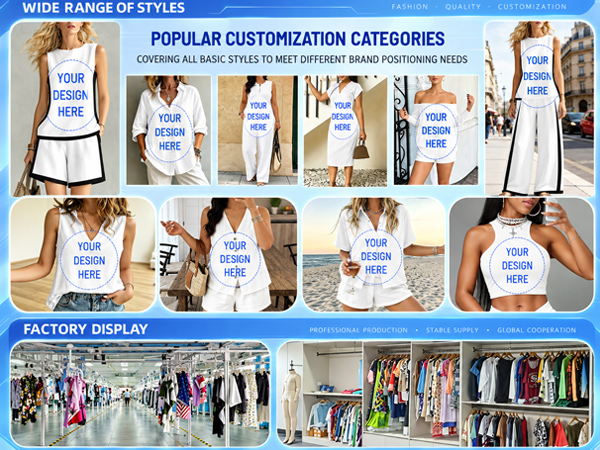
Homepage category display with garment appearances and Your Design Here panels. The styles and inset rooms are not verified stock, a supplied assortment, actual factory ownership, available custom service or capacity.
Start with the actual offered styles
Ask the manufacturer to identify the styles that it is proposing for the inquiry. Retain its style code or other item reference rather than replacing it with a general garment name. If the buyer starts from a catalogue appearance, request the corresponding supplier identity so that the allocation record refers to the actual proposed item.
The official homepage board shows several garment appearances and design display panels. Use it as category context for the inquiry, then request the selected style references from the supplier. The board does not establish that all displayed garments are available together, that a pictured mixture is a pack, or that the manufacturer has accepted a mixed-style order.
Create a separate line for each style and size code
Ask the supplier to list each proposed style-size combination separately. Keep its size code attached to the style identity because the same size label does not by itself establish a common garment specification across different styles. The purpose of this record is to identify the allocated items, while any applicable manufacturer size document remains a separate reference.
Where a proposed size code is unclear, request its actual manufacturer meaning and the version to which it applies. Do not replace a missing code with a size estimated from an image or with an assumed market equivalent. Keep unresolved combinations visible until the supplier has answered the question for the specific proposal.
Buying field
Requested supplier response
Proposal identity
Supplier quotation or assortment proposal identifier and revision.
Style reference
Manufacturer style identity for the actual offered garment.
Size reference
Supplier size code and its applicable style or version.
Count object
Agreed item or commercial unit to which the line quantity refers.
Line allocation
Supplier-confirmed proposed quantity for that style-size combination.
Container relationship
Pack or carton reference to which the allocation belongs, if applicable.
Line status
Proposed, confirmed or still awaiting a specific supplier response.
Official homepage POD-apparel illustration. It does not identify an actual supplier machine, ink, printing method, production stage, capacity or factory ownership.
Keep the allocation attached to its count object
Once the actual count object is agreed, use it consistently across the allocation lines. Ask the supplier to identify any line that uses a different commercial unit so that the quantities are not combined without explanation. Retain the original supplier response when clarifying a line, rather than silently changing what its quantity represents.
The printing-equipment illustration above is separate homepage context for POD apparel. It does not define the contents of a pack or provide a style-size allocation. The assortment record should come from the actual supplier proposal, without inferring a machine, printing process, factory capability or production quantity from the illustration.
Map every line to the proposed pack or carton
If the proposal uses packs or cartons, ask how the style-size lines are assigned to those containers. Request the supplier reference that links the line allocation to its intended pack or carton. Where the supplier proposes another arrangement, retain that actual arrangement instead of imposing a container structure that has not been agreed.
Keep any overall proposal total and its supporting line allocation in the same revision record. Ask the supplier to explain a difference between them before relying on the document. A complete response should make it possible to identify which offered lines belong to the proposal and which remain outside the confirmed assortment, without assuming a standard ratio or default pack quantity.
Separate TKA07 product-page appearance reference. The homepage examples do not establish matching variants, a shared print method or one supplied pack for this style.
Review the line coverage with the supplier
Compare the supplier allocation record with the buyer requested style-size list. Identify an omitted combination, an added style or a changed code as a specific question. Ask whether the supplier is accepting the requested allocation or proposing an alternative. Keep the original request and the manufacturer response distinct until the proposed change is agreed.
The TKA07 appearance above belongs to a separate product-page reference. It does not show that this style is part of a homepage garment mixture or that its variants match those of another garment. If TKA07 is selected for an actual proposal, request its own style-size allocation rather than transferring a mix from the category advertisement.
Retain the confirmed version for the order
Record the accepted assortment identifier and revision with the quotation. Keep the supplier-confirmed style identities, size codes and container relationships together so that a later attachment can be compared with the agreed version. Where the supplier revises an allocation, request a clear description of the changed lines and their effect on the proposal.
For a repeat order, refer to the earlier confirmed assortment and ask whether the same allocation is offered for the current inquiry. A previous proposal is a useful reference, while the manufacturer still needs to confirm the actual items and mix now proposed. This approach preserves a usable purchasing document without inventing current stock, availability, minimum quantities or a guarantee that mixed styles can be supplied.
Buyer FAQ
Does a multi-garment image define a supplied apparel pack?
No. Ask the supplier which styles and size codes are actually offered together for the proposal.
How should style-size allocation lines be identified?
Keep the manufacturer style reference, offered size code and agreed count object on each separate line.
Can identical size labels be treated as equal across styles?
Request the manufacturer references for each selected style; the label alone does not establish equivalent garment specifications.
What connects the assortment to a carton proposal?
Ask for the supplier container reference and the style-size lines allocated to it, where that arrangement is proposed.
What should be retained when the mix changes?
Keep the revised proposal identifier, the changed lines and the supplier confirmation with the quotation.
Review the official POD apparel category context, keep the TKA07 product reference under its own identity and request the assortment record through the supplier contact page.
Identify the offered style and size code on each allocation line.
Connect the supplier-confirmed quantities to the relevant proposal and containers.
Retain the agreed assortment revision with the quotation.
POD apparel style size pack assortmentB2B supplier sample record