
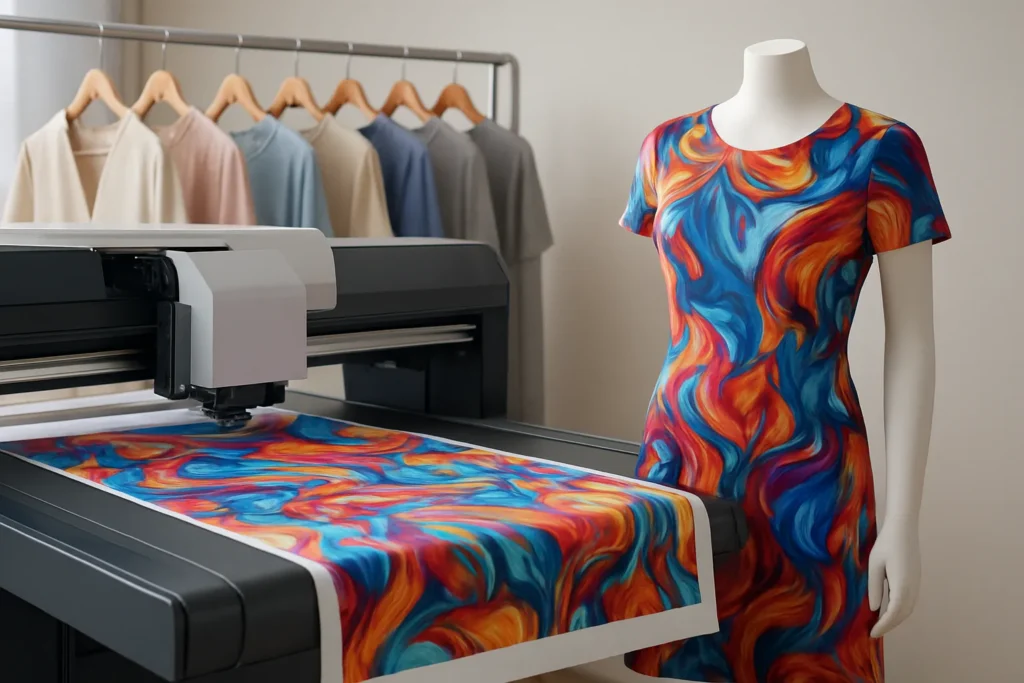
Transforming Fashion: The Impact of 3D Digital Printing on Apparel for B2B Buyers
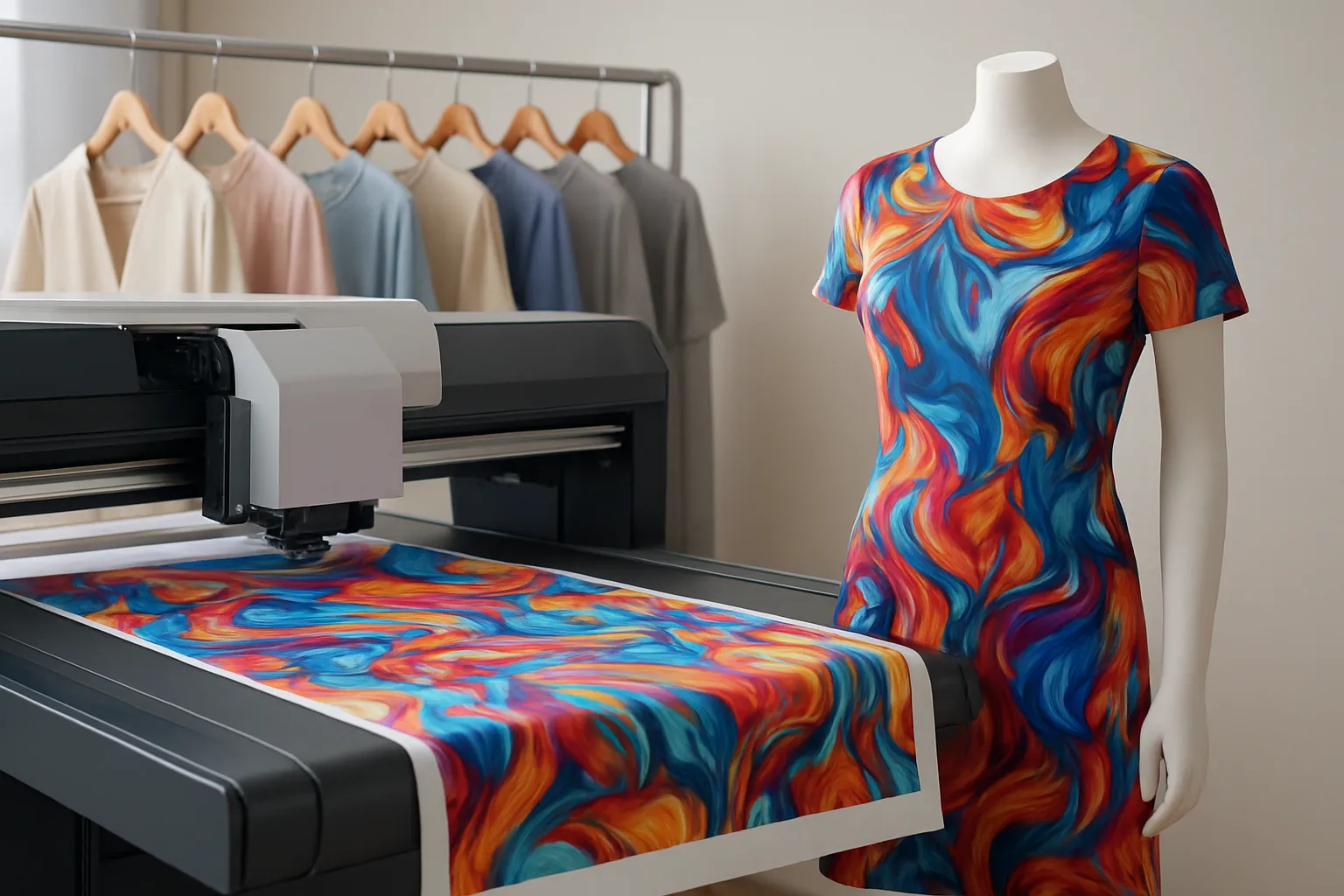
The fashion industry is currently experiencing a remarkable transformation, primarily driven by technological advancements. Among these innovations, 3D digital printing stands out as a groundbreaking technology that allows for the creation of intricate clothing designs with unmatched precision and efficiency. As demand for unique and customizable fashion apparel continues to grow, the significance of bulk purchasing becomes increasingly clear. In my experience, B2B buyers are actively seeking ways to leverage 3D digital printing to meet consumer demands while ensuring cost-effectiveness and sustainability.
Specifications of 3D Digital Printing Clothing
3D digital printing clothing provides a diverse range of material options, including thermoplastics, textiles, and biodegradable materials. This versatility empowers designers to experiment with various textures and finishes, resulting in distinctive apparel that captures attention in a saturated market.
The design flexibility and customization capabilities of 3D printing are exceptional. Brands can create tailored pieces that cater to individual customer preferences, offering personalized fashion solutions. From what I have seen, this level of customization not only boosts customer satisfaction but also cultivates brand loyalty.
Quality and durability are also paramount in 3D digital printing. Technological advancements have led to the production of high-quality prints that endure the rigors of daily wear. B2B buyers can be confident that investing in 3D printed fashion apparel means providing their customers with durable products that maintain their aesthetic appeal over time.
Use Cases of 3D Digital Printing in Fashion Apparel
Numerous brands have successfully integrated 3D digital printing into their fashion lines, showcasing the technology’s vast potential. For example, companies like Adidas and Nike have harnessed 3D printing to create performance footwear that fits perfectly to an athlete’s foot, enhancing both comfort and functionality.
The benefits for B2B buyers are significant. By adopting 3D printed apparel, companies can reduce lead times, minimize waste, and offer a broader range of products without the burden of extensive inventory. Trends indicate a growing interest in sustainable practices as brands strive to lessen their environmental impact while catering to eco-conscious consumers.
Comparisons with Traditional Manufacturing
When comparing 3D printing to traditional manufacturing methods, several factors come into play. Cost analysis indicates that while the initial investment in 3D printing technology may be substantial, the long-term savings on production costs, material waste, and labor can be quite significant.
The speed of production is another critical advantage of 3D printing. Unlike traditional manufacturing, which often involves lengthy processes and multiple stages, 3D printing facilitates rapid prototyping and production, allowing brands to respond swiftly to market trends and consumer demands.
Environmental impact considerations are increasingly vital in today’s market. Traditional manufacturing processes frequently contribute to considerable waste and carbon emissions. In contrast, 3D printing presents a more sustainable alternative, as it usually involves additive manufacturing, utilizing only the necessary material to create a product and thereby minimizing waste.
Sourcing 3D Printed Fashion Apparel
For B2B buyers aiming to source 3D printed fashion apparel, identifying reliable suppliers is crucial. Companies should look for manufacturers with a proven track record in 3D printing technology and a portfolio that showcases their capabilities.
Evaluating supplier capabilities entails assessing their technology, materials used, and production capacity. A thorough understanding of a supplier’s processes will help buyers ensure they are partnering with a company that meets their specific needs.
Negotiating bulk purchase agreements can also enhance the procurement process. Buyers should consider factors such as pricing, lead times, and minimum order quantities to secure favorable terms that align with their business objectives.
Implementation Strategies for B2B Buyers
Integrating 3D printing into the supply chain requires a strategic approach. B2B buyers should start by assessing their current production processes and identifying areas where 3D printing could add value.
Training and skill development are essential for staff to effectively utilize 3D printing technology. Investing in employee education ensures that teams are equipped to manage new workflows and optimize production processes.
Managing production workflow is another critical aspect of implementation. Establishing clear communication channels and project management protocols will streamline operations and ensure that production targets are met efficiently.
Frequently Asked Questions
Common concerns about 3D digital printing often revolve around its scalability and quality consistency. Addressing misconceptions about the technology’s limitations is crucial for B2B buyers. Many are surprised to discover that 3D printing can be scaled for bulk production while maintaining high quality.
The future of 3D printing in fashion appears promising, with ongoing innovations expected to further enhance its capabilities. As more brands embrace this technology, it is likely to become a standard practice in the industry, driving the next wave of fashion innovation.
In conclusion, 3D digital printing is revolutionizing the fashion apparel industry, particularly for bulk purchases. By understanding the specifications, use cases, and strategic implementation of this technology, B2B buyers can position themselves at the forefront of this transformation, offering unique, sustainable, and high-quality products to their customers. For more insights into 3D digital printing, you can refer to this industry reference on AZoM.