
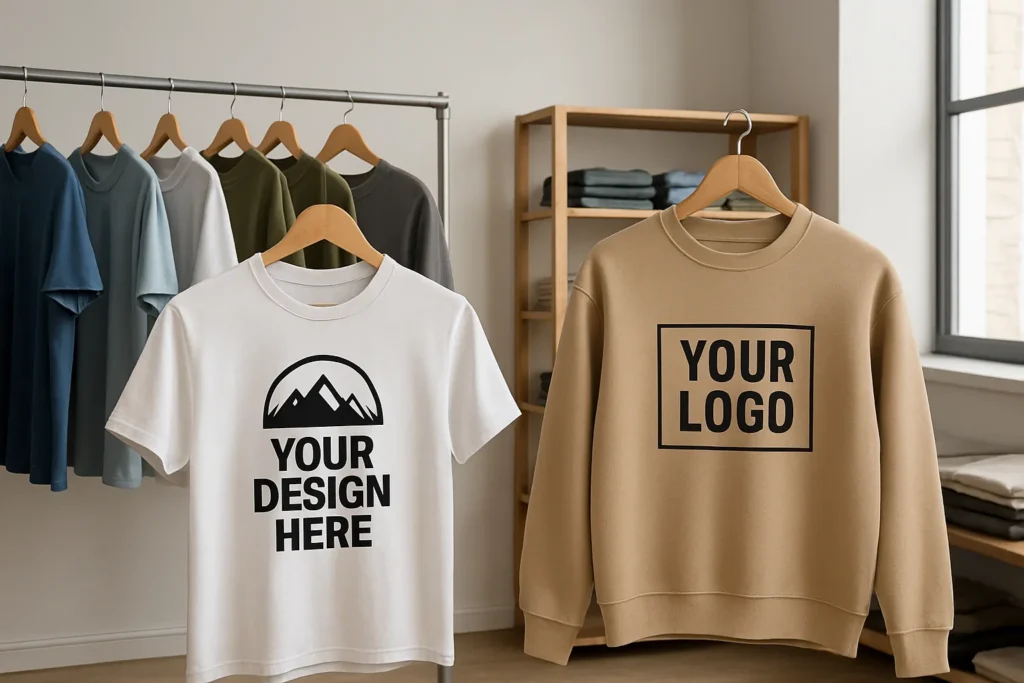
The Benefits of Custom Print Apparel for Wholesale Markets
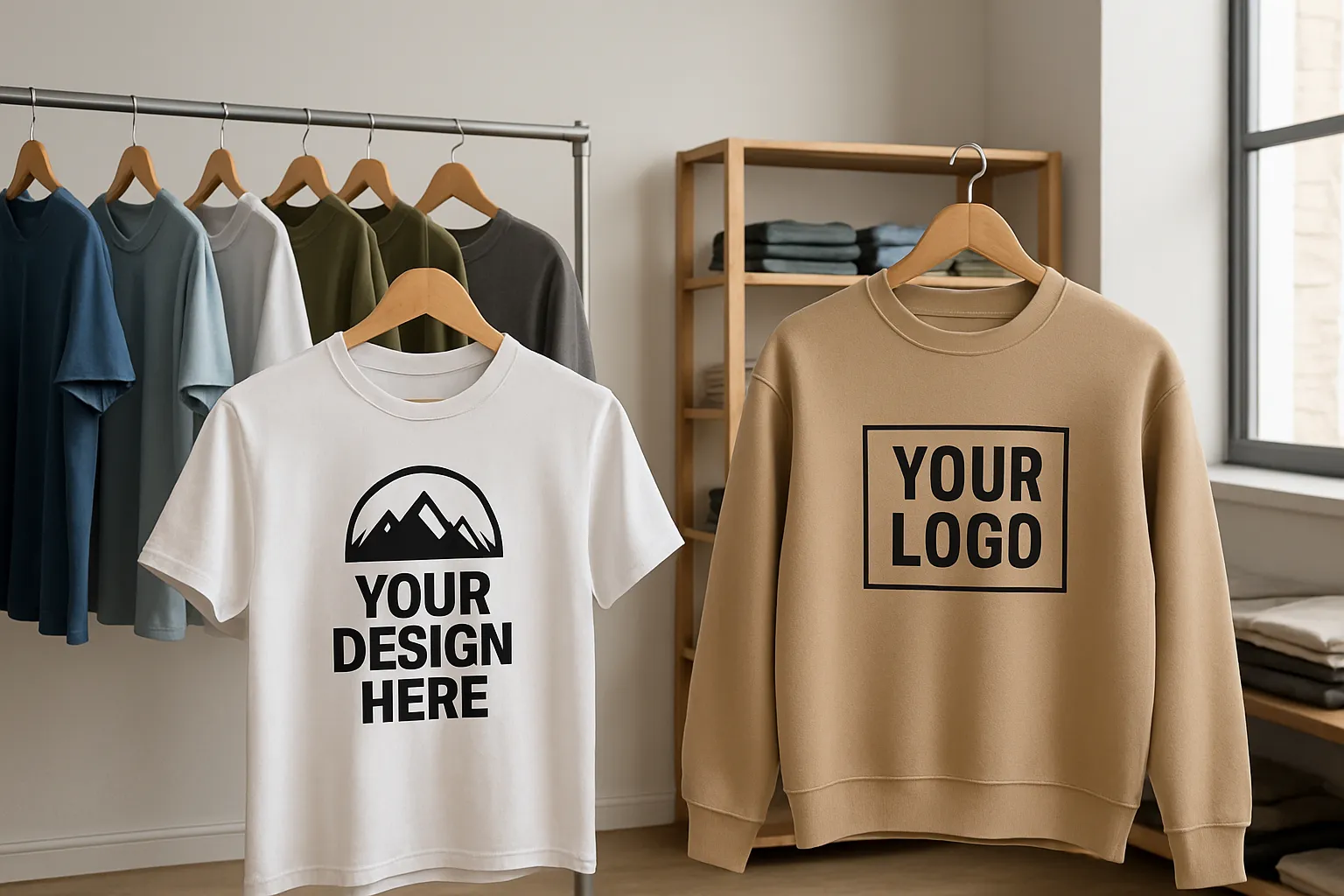
Introduction to Custom Print Apparel
Custom print apparel refers to clothing items that are personalized with unique designs, logos, or messages crafted specifically for a brand or organization. This type of apparel has gained significant traction in recent years, particularly within wholesale markets, where businesses are constantly seeking innovative methods to distinguish themselves in a highly competitive landscape. The wholesale clothing market, characterized by bulk purchasing and distribution, provides an ideal environment for custom print apparel to thrive, enabling brands to establish a unique identity while catering to a wide array of customer preferences.
Advantages of Custom Print Apparel
Brand Differentiation
In my experience, brand differentiation is essential in a saturated market. Custom print apparel empowers businesses to create unique designs that genuinely reflect their brand identity, helping them to stand apart from competitors. By integrating logos, slogans, or custom artwork, companies can effectively communicate their values and mission, leaving a lasting impression on their customers.
Enhanced Customer Engagement
From what I’ve seen, custom print apparel cultivates a deeper connection with customers. When consumers wear clothing that resonates with them, it fosters a sense of belonging and loyalty. This engagement can be further amplified through social media, where customers share their personalized apparel, effectively becoming ambassadors for the brand. Such organic promotion can significantly enhance brand visibility and reach.
Increased Profit Margins
Investing in custom print apparel can lead to increased profit margins. While the initial costs may be higher than those of standard apparel, the unique designs and branding often justify premium pricing. Additionally, custom apparel frequently results in higher sales volumes, especially when connected to promotional events or seasonal campaigns, ultimately contributing to improved profitability.
Use Cases for Custom Print Apparel
Promotional Events
Custom print apparel is an excellent choice for promotional events such as trade shows, product launches, or community festivals. By outfitting staff or volunteers in branded clothing, businesses can create a cohesive image that attracts attention and reinforces brand awareness. Participants are more likely to remember a brand associated with visually appealing apparel.
Corporate Branding
For corporations, custom print apparel serves as a powerful branding tool. Uniforms or branded merchandise can enhance a company’s professional image, fostering a sense of unity among employees. This not only boosts morale but also creates a recognizable presence in the marketplace, reinforcing brand identity.
Retail Opportunities
Retailers can leverage custom print apparel to diversify their product offerings. By incorporating unique designs that reflect current trends or local culture, retailers can attract a broader customer base. Limited edition prints or collaborations with local artists can create a sense of urgency, driving sales and increasing foot traffic.
Sourcing Custom Print Apparel
Finding Reliable Suppliers
Finding reliable suppliers for custom print apparel is crucial for ensuring quality and consistency. Businesses should conduct thorough research, seeking suppliers with a proven track record in the industry. Online reviews, testimonials, and referrals can provide valuable insights into the supplier’s reliability and service quality.
Evaluating Quality and Pricing
When sourcing custom print apparel, evaluating both quality and pricing is critical. Businesses should request samples to assess fabric quality and printing techniques. Comparing quotes from multiple suppliers can help identify competitive pricing, ensuring that businesses receive the best value for their investment.
Understanding Minimum Order Quantities
Many suppliers impose minimum order quantities (MOQs) for custom print apparel. Understanding these requirements is crucial for businesses to manage their budgets effectively. While larger orders may reduce the per-unit cost, companies should ensure they can sell the inventory before committing to substantial purchases.
Implementation Strategies
Designing Your Apparel
The design process is a vital step in creating custom print apparel. Businesses should consider their target audience and brand identity when developing designs. Collaborating with graphic designers can help create visually appealing and marketable apparel that resonates with consumers.
Production Timeline Considerations
Production timelines can vary significantly based on the complexity of the designs and the supplier’s capabilities. Businesses should factor in time for design approval, production, and shipping when planning their campaigns. A well-structured timeline ensures that products are available when needed, avoiding potential delays.
Distribution and Fulfillment Options
Effective distribution and fulfillment strategies are essential for successfully launching custom print apparel. Businesses should evaluate their distribution channels, whether through e-commerce platforms, retail partnerships, or direct-to-consumer sales. Efficient fulfillment processes can enhance customer satisfaction and streamline operations.
Comparing Custom Print Apparel with Standard Apparel
Cost Analysis
While custom print apparel may incur higher upfront costs compared to standard apparel, the potential for increased profitability through premium pricing and brand loyalty can offset these expenses. Businesses should conduct a thorough cost analysis to determine the long-term financial benefits of custom apparel.
Quality and Customization
Custom print apparel often provides superior quality and personalization options compared to standard apparel. Businesses can select specific fabrics, styles, and printing techniques that align with their brand ethos, ensuring that the final product meets customer expectations.
Market Demand Trends
The demand for custom print apparel is on the rise, driven by consumer preferences for personalized products. Businesses that adapt to these trends by offering custom options can capture a larger share of the market and meet evolving consumer expectations.
Frequently Asked Questions
What is the turnaround time for custom orders?
Turnaround times for custom orders can vary based on the supplier and design complexity. Generally, businesses should expect anywhere from a few weeks to a couple of months, depending on the order size and production capabilities.
How do I choose the right printing method?
Choosing the right printing method depends on several factors, including fabric type, design complexity, and budget. Common methods include screen printing, direct-to-garment (DTG), and heat transfer. Businesses should consult with suppliers to determine the best option for their needs.
What are the common mistakes to avoid?
Common mistakes include underestimating the importance of quality control, failing to account for production timelines, and not conducting thorough market research. Businesses should also avoid overcommitting to large orders without assessing demand.
Conclusion
Custom print apparel offers numerous benefits for businesses in the wholesale market, from enhancing brand differentiation to increasing profit margins. By understanding the advantages, use cases, and sourcing strategies, companies can effectively incorporate custom apparel into their offerings. As the demand for personalized products continues to grow, investing in custom print apparel can provide a competitive edge and foster lasting customer relationships. For more insights on industry trends, refer to this industry reference.