
Maxi Dress RFQs: Clarify Slim and Regular Fit
How should buyers handle slim and regular fit on one dress page? Keep both supplier fields visible and ask what each describes for the actual offered SKC59 dress. Request the applicable size chart, defined garment measurements and identified sample reference. A catalogue label or styled image does not resolve the discrepancy or establish a buyer-specific fit result.
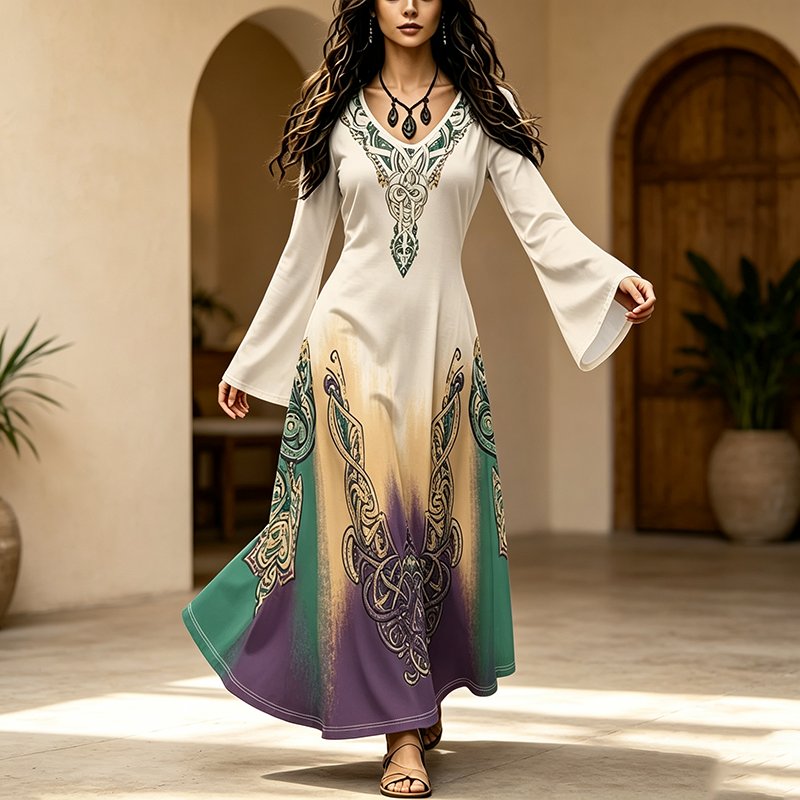
Official SKC59 front product presentation. The pictured silhouette does not resolve the page’s Slim Fit and Regular fields or establish a measured fit result.
Preserve the two catalogue fields
The SKC59 Women’s V-Neck Waist-Cinched Bell-Sleeve Maxi Dress listing contains both Fit Type: Slim Fit and Fit: Regular. These are two different supplier entries on the same product page. Record both when preparing the enquiry rather than selecting one because it appears more plausible in the image.
For buyers sourcing wholesale women’s clothing, the immediate task is to establish which description applies to the quotation. Ask the supplier whether the fields describe different aspects of the garment, different offered versions or a catalogue entry needing clarification. This article does not choose a meaning on the supplier’s behalf.
Tie the explanation to an actual offer
Ask the supplier to identify the SKC59 version and sample covered by its response. Keep the selected product link and gallery reference attached. A statement about another dress, an unlabelled size chart or a general description of regular fit may leave the actual quotation unresolved.
Request the supplier’s interpretation of each field in plain language, including whether both remain applicable to the selected item. If one field needs correction, preserve the original enquiry and the returned clarification as separate records. Do not silently rewrite the catalogue label in the buyer’s order notes before that response exists.
Exact official PDP gallery original hosted on its linked CDN. Use it to identify the dress; request the actual applicable size chart and garment measurements.
Request measurements with defined reference points
Ask for the applicable size chart and the garment measurement definitions that explain the offered sizing. Where a body or waist dimension matters to the buyer, request its endpoints and the garment state used for measurement. Leave the numerical values open until the supplier supplies the actual chart and definitions.
Keep any recommended body-size range separate from a measured garment dimension. A size name alone does not explain the space or shape of the offered dress, and a photographed model does not supply a measurement scale. The review needs identifiable values and definitions rather than an assumption that slim and regular imply universal dimensions.
Use a fit-clarification response table
The table keeps the original wording and the requested supporting information together. It is a supplier response worksheet, not a completed Pinshun size specification or an approved fit assessment.
Buying field
Requested supplier response
Offered item
SKC59 version, selected gallery reference and identified sample.
Fit Type: Slim Fit
Supplier explanation and confirmation of applicability to the quoted version.
Fit: Regular
Supplier explanation and relationship to the other fit field.
Applicable size chart
Exact chart reference and the sizes covered by the offer.
Garment measurements
Relevant points, measurement state and supplier-provided values.
Sample review
Actual reviewed sample, intended comparison basis and unresolved questions.
Do not use fibre or stretch wording to decide fit
The page declares 100% polyester and describes fabric stretch as slight stretch. Those supplier fields identify other aspects of the catalogue description. They do not determine which fit label is intended, define garment ease or guarantee that a selected size will suit an intended wearer.
Keep any required stretch evidence separate from the fit clarification. The same principle applies to the waist-cinched product name and high-waist field: they do not supply a measured waist dimension or explain an adjustment mechanism. Ask for the actual information relevant to the offered construction instead of inferring it from the wording.
Official rear product presentation. A catalogue view supplies no numerical garment dimensions or wearer-specific fit guarantee.
Use the gallery to identify views, then review the sample
The official gallery provides front and rear product presentations. Use them to identify which dress and which visible region the question concerns. Do not calculate garment dimensions from the pictured model or assume that a styled appearance proves the fit of a production item in another size.
If a sample is proposed for review, record its actual size and item reference with the supplier clarification and applicable chart. State what the buyer compared and what remained unconfirmed. A sample review applies to its defined scope; it should not be reported as a universal comfort or fit guarantee for all purchasers.
Keep changes traceable through the quotation
If the supplier updates a fit field, size chart or offered version, ask which earlier documents the change affects. Retain the original response as history and associate the new explanation with the current quotation. A matching model code should not silently carry an obsolete chart into a later offer.
Send the two quoted fields, selected SKC59 link and worksheet through Pinshun contact. The useful deliverable is one traceable interpretation supported by applicable sizing information. Existing enquiries on item-count MOQ, artwork, care wording, neckline and suit pockets resolve different purchasing questions.
Buyer FAQ
Should the buyer choose slim or regular from the photo?
Keep both source fields and request the supplier’s interpretation for the actual offered version.
Does slight stretch explain the fit discrepancy?
No. It is a separate catalogue description and does not define fit labels or garment ease.
Is a size name enough to compare offers?
Request the applicable chart and defined garment measurement points. Keep any recommended body-size range separate.
What should remain with the quotation?
The supplier clarification, exact size-chart reference, measurement definitions and any identified sample review record.
Supplier response checklist
Selected product, offered version and identified sample
Supplier explanation and applicable supporting references
Actual buyer review and unresolved information kept visible
wholesale women’s clothingB2B supplier sample record