
Suit Set RFQs: Separate Pocket Functions
For wholesale suit sets, create separate specification lines for the faux chest pocket and the functional waist pockets. Pinshun’s Suit Set page describes these features differently, so a general “with pockets” label is insufficient for sample approval. Ask the supplier to map each stated pocket to the offered garment, identify the opening and internal construction where applicable, and return an annotated sample record.
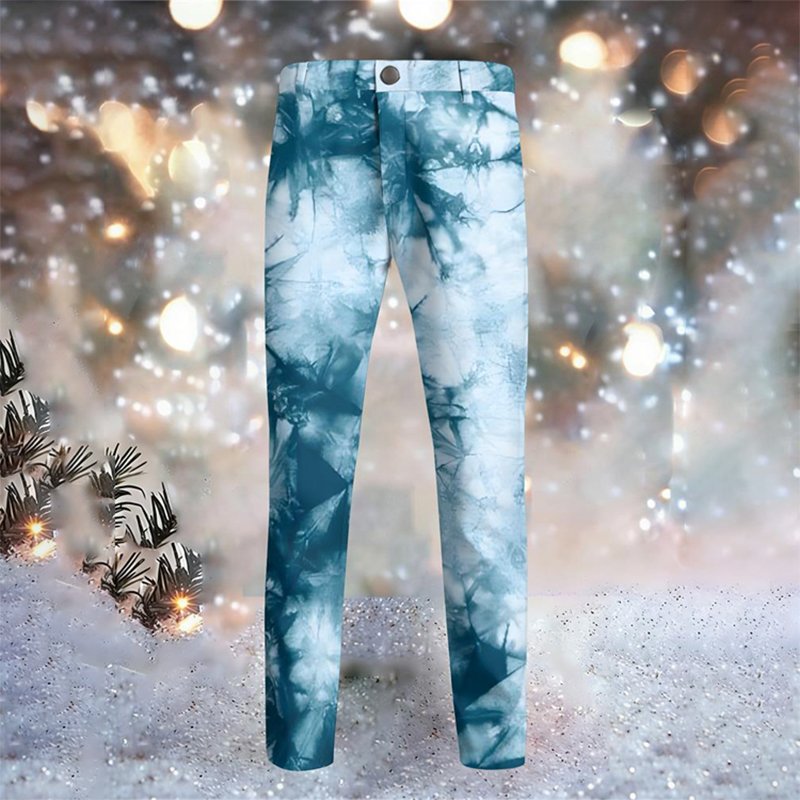
Suit Set gallery trouser reference with waistband and belt-loop appearance. This view does not show internal pocket construction or prove a matching supplied set.
Start from the supplier’s pocket descriptions
The Suit Set product page names a men’s casual blazer with a classic notched lapel, single-button closure and welt pockets on both sides. Its detail field distinguishes a “faux chest pocket” from “functional pockets on both sides of the waist.” Preserve that distinction in the buyer’s specification rather than combining all locations under one functional claim.
Use the supplier’s words as the starting reference, then ask which positions they describe on the proposed blazer. A catalogue photograph helps identify the appearance under discussion, while the supplier’s annotated sample submission should show the actual pocket construction offered. Keep the chest and waist decisions separate even when both appear in one front-view photograph.
Build a position map before commenting on details
Label the chest location and the two waist locations on a front reference. Define left and right from the wearer’s perspective in the enquiry, so comments remain understandable when photographs are mirrored or viewed on different screens. Ask the supplier to confirm that convention on its return image.
Give each location a short buyer reference and place the supplier’s construction description beside it. A buyer reference is an enquiry label, not a new supplier SKU. If the supplier uses another position naming system, retain the correspondence in the record. This prevents an instruction about the chest detail being applied to a waist pocket during sample revision.
Record field
What the supplier should return
Chest position
Supplier-described faux detail and corresponding sample location
Left waist position
Offered functional pocket, opening and inside view
Right waist position
Separate confirmation against the marked reference
Trousers
Independent record for any proposed pocket details
Revision decision
Accepted construction or a feature-specific change request
Separate Suit Set blazer/model gallery presentation. Use supplier-marked sample views to confirm the described chest and waist pocket functions.
Request the views needed for a functional decision
For the waist positions described as functional, request a sample view showing the opening and a corresponding inside reference where the construction can be identified. Ask the supplier to describe the pocket bag and its connection to the garment if those details matter to the buyer. Specify any required dimensions as questions tied to marked measurement points.
Do not assign a capacity, pocket depth or load requirement from the word functional. State the buyer’s intended specification separately and ask the supplier to respond to it. For the faux chest position, request a clear appearance reference and a construction description. The two kinds of submission answer different questions and should not receive an automatic shared pass.
Keep the trouser record independent
The same page lists full-length pants, button-and-zipper closure and belt loops. Those descriptors identify a trouser reference; they do not provide a trouser pocket schedule. If the proposal includes trousers, ask for their own pocket-position description rather than copying the blazer’s chest or waist declarations into the trouser line.
The gallery’s trouser image and the separate blazer/model image also show different presentations. Use them as distinct catalogue references, not proof of a matching supplied set or a common construction. Link each offered component to its own marked sample view. Any agreement about the complete supplied unit belongs in the offer and should remain separate from the pocket-function decision.
APF01 apron catalogue reference is a different product. Its visible appearance does not establish the Suit Set pocket construction or supplied contents.
Separate appearance comments from construction changes
The page declares an all-over print and a custom pattern. A print detail near a pocket can make an opening or decorative feature difficult to distinguish in a front image. Ask for a closer reference when necessary, and label whether a comment concerns the visible edge, the print appearance or the actual pocket construction.
Write a specific request such as “confirm the waist pocket opening against the marked position” rather than “improve the pockets.” If the buyer wants an appearance revision, identify the marked area and the expected appearance. If the buyer wants a different function, describe that requirement separately so the supplier can confirm whether it is part of the proposal.
Close the pocket schedule against a named sample
Carry the model reference, offered component, sample size and revision into the pocket record. Record the supplier’s response for each position, then mark accepted, change requested or information required. Keep the supporting image beside the decision. A complete schedule allows purchasing to distinguish a resolved chest-detail discussion from an unresolved waist-pocket question.
The product page is a catalogue declaration, not a completed inspection or a current commercial offer. Use the schedule to obtain the supplier’s actual proposal and the buyer’s documented sample decision. Ask the supplier to identify any later construction revision before an earlier approval is applied to it. This keeps the accepted pocket reference traceable without inventing dimensions, carrying performance or delivery terms.
Buyer FAQ
Are all pockets on the Suit Set described as functional?
No. The page distinguishes a faux chest pocket from functional pockets on both sides of the waist. Preserve the location-specific wording and confirm the offered sample.
Does the trouser image confirm its pocket construction?
It provides a trouser appearance reference. The reviewed text lists belt loops and closure details but does not give a separate trouser pocket schedule.
What should be returned with the sample reply?
Request marked positions, construction descriptions, the relevant external and internal views, and the model, component, size and revision to which the reply applies.
Identify faux and functional locations separately.
Request evidence for the specific offered component.
Record decisions by pocket position and sample revision.
wholesale suit setsSuit pocket position recordB2B sample specification